Water is the most basic need of any tree or shrub, yet it is one of the most misunderstood parts of landscape care. Too little water stresses roots and foliage. Too much water can starve roots of the oxygen they need. The goal is to water in a way that encourages roots to grow deep into the soil, where moisture lasts longer and plants are better prepared for the hot, dry stretches of a Pennsylvania summer.
Why Deep, Infrequent Watering Works
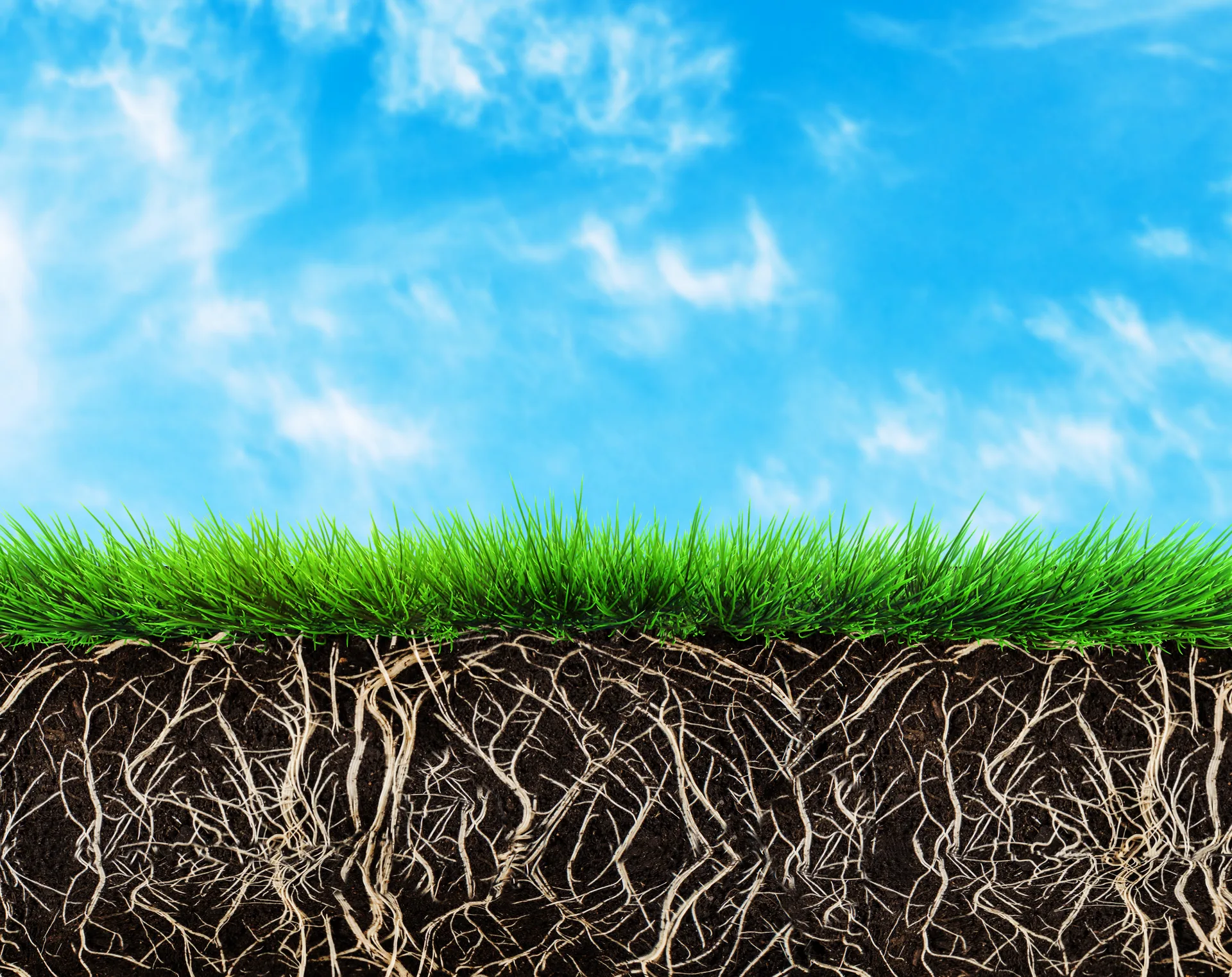
Roots grow where the water is. When plants receive frequent, light sprinklings, moisture stays near the surface, and so do the roots. Shallow roots dry out quickly in summer heat and leave plants more vulnerable during drought.
Deep, infrequent watering moistens the soil to a greater depth, then allows the upper layer to dry slightly before the next watering. This pattern encourages roots to grow downward and outward, building a stronger root system that supports a healthy canopy above.
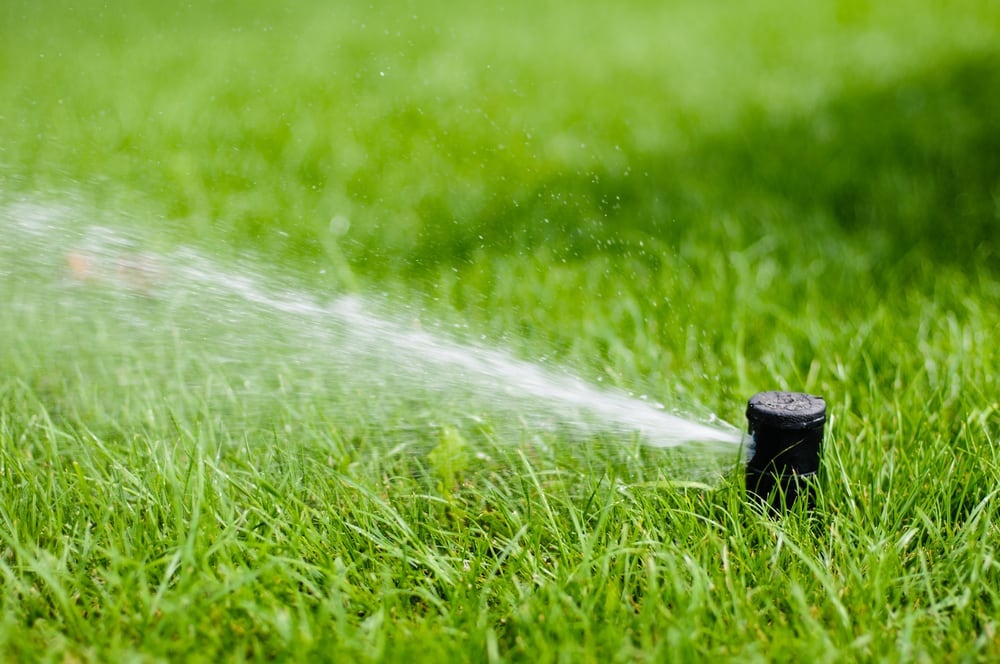
For trees, aim to moisten the soil roughly 12 inches deep across the root zone. Shrubs benefit from the same deep soaking, scaled to the size of their roots. A slow, steady flow from a soaker hose, drip irrigation, or a garden hose set to a trickle lets water soak in rather than run off.
How Soil Type Affects Watering
Not all soil holds water the same way.
- Clay soils absorb water slowly and hold it for a long time. Water them slowly to avoid runoff, and allow more time between waterings so roots are not sitting in saturated ground.
- Sandy or gravelly soils drain quickly and dry out faster. These sites may need water more often, though each watering should still soak deeply.
- Loam soils, a balanced mix of sand, silt, and clay, hold moisture well while still draining properly.
- Compacted soils around homes, walkways, and driveways may shed water before it can soak in. Slow application helps, and addressing compaction can improve how water moves into the root zone.
How Weather Changes the Schedule
A watering schedule is not something to set once and forget. Rainfall, temperature, humidity, and wind all influence how quickly soil dries out.
- During cool, cloudy, or rainy stretches, extra watering may not be needed at all.
- During hot, dry, or windy weather, plants lose moisture faster through their leaves, and the soil dries more quickly.
- Extended dry periods in late summer can be especially hard on trees, even well established ones.
- Watering in fall, before the ground freezes, helps plants head into winter with adequate moisture. This is particularly helpful for evergreens, which continue to lose moisture through their needles and leaves all winter.
Watering early in the morning reduces evaporation and gives foliage time to dry during the day, which can lower the chance of some leaf diseases.
Checking Soil Moisture
The most reliable way to know when to water is to check the soil itself.
- **The finger or trowel test.** Dig down 2 to 3 inches near the plant. If the soil is dry at that depth, it is likely time to water. If it feels cool and moist, wait a few days and check again.
- **The screwdriver test.** Push a long screwdriver into the soil. It slides in easily when soil is moist and resists when soil is dry. After watering, this test can also show how deep the moisture reached.
- **Watch the plants.** Wilting, curling, or browning leaves can signal drought stress. Keep in mind that overwatered plants can wilt too, since soggy soil damages roots. Checking the soil before adding more water helps you tell the difference.
Newly Planted Versus Established Trees
Newly planted trees and shrubs have small root systems that are mostly confined to the original root ball. They depend on regular watering until their roots spread into the surrounding soil, a process that can take one to two years, and sometimes longer for larger trees. Focus water directly over the root ball and just beyond it. In the first few weeks after planting, this often means watering a few times per week, then gradually shifting to about once per week. Always adjust for rainfall and soil conditions, and keep checking moisture through the first growing seasons.
Established trees and shrubs have broader root systems and generally need extra water only during extended dry periods. When watering is needed, apply it slowly across a wide area under the canopy and out past the edge of the branches, where many of the absorbing roots are found. A deep soaking every week or two during a drought is often more helpful than frequent short waterings.
Support for Your Landscape
A well designed irrigation system can deliver water efficiently to trees, shrubs, and beds, and professional plant health care can help identify stress early. To learn more, explore our Irrigation and Tree and Shrub Care services, or reach out to the Tomlinson Bomberger team with questions about your property.
Call (717) 399-1991, use contact, or request a quote. We serve homeowners across our service areas in South-Central Pennsylvania. Browse the blog for more tree and landscape topics between visits.