Healthy trees and shrubs are some of the most valuable features on any property. They provide shade, structure, and beauty for decades. In many South-Central Pennsylvania landscapes, though, the soil around them does not always supply what they need. New construction, compacted soil, and the yearly removal of fallen leaves can leave roots with fewer nutrients than they would find in a natural forest. A thoughtful fertilization plan can help support stronger growth, fuller canopies, and better resilience against stress.
The key word is thoughtful. More fertilizer is not always better, and the right approach depends on what your soil actually contains.
Start With a Soil Test
Before adding anything to the root zone, it helps to know what is already there. A soil test measures nutrient levels, organic matter, and soil acidity, which affects how well roots can absorb the nutrients that are present. Without this information, fertilizing becomes guesswork.
A soil test can reveal:
- Whether nitrogen, phosphorus, and potassium levels are low, adequate, or already high
- Whether the soil is too acidic or too alkaline for the plants growing in it
- Whether micronutrients such as iron and manganese are available to the roots
- How much organic matter the soil holds
In some cases, a tree that looks hungry is actually growing in soil with plenty of nutrients that are locked up by an acidity imbalance. Adding more fertilizer in that situation does little to help. A soil test points toward the right correction, whether that is a balanced fertilizer, a targeted amendment, or no fertilizer at all. Learn more about our Soil Analysis service.
The Preferred Windows: Spring and Fall
Timing plays a large role in how well trees and shrubs use the nutrients they receive.
**Spring.** Early spring, once the ground has thawed and before or around bud break, is a preferred window. Roots are becoming active and the plant is preparing to push out new leaves and shoots. A spring application supports that early season growth.
**Fall.** Fall is often considered the most valuable window of the year. After top growth slows and leaves begin to drop, roots continue growing in the still warm soil. Nutrients applied in mid to late fall can be absorbed and stored, helping the plant prepare for winter and get a stronger start the following spring.
A note on summer. Heavy nitrogen applications in mid to late summer can encourage tender new growth that may not harden off before the first frost, which leaves it more prone to winter damage. During drought or extreme heat, it is also wise to hold off. Stressed roots may not take up nutrients well, and fertilizer salts can add to that stress.
Deep Root Feeding Versus Surface Applications
There are two common ways to deliver nutrients to trees and shrubs.
Deep root feeding uses a probe to inject a liquid fertilizer solution into the soil throughout the root zone, several inches below the surface where many of the fine feeder roots grow. This method can be helpful for trees growing in lawns, where turf roots compete for nutrients near the surface, and in compacted soils where surface materials move slowly. The added moisture from the injection can also be a benefit during drier periods.
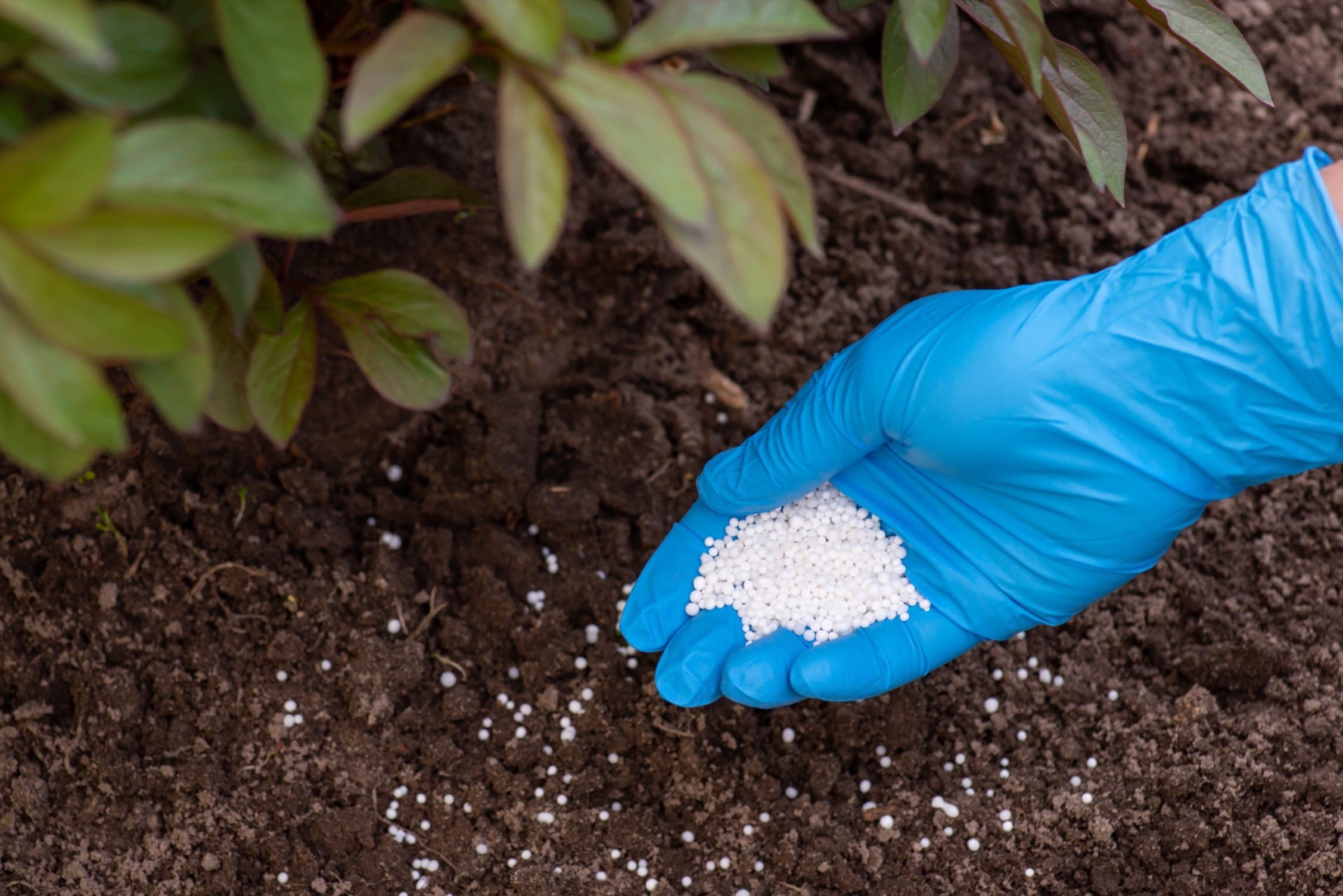
Surface applications involve spreading granular or liquid fertilizer over the soil above the root zone. Rainfall or irrigation then carries the nutrients down into the soil. This approach works well in mulched beds and areas with loose, healthy soil, and slow release products can feed plants gradually over time.
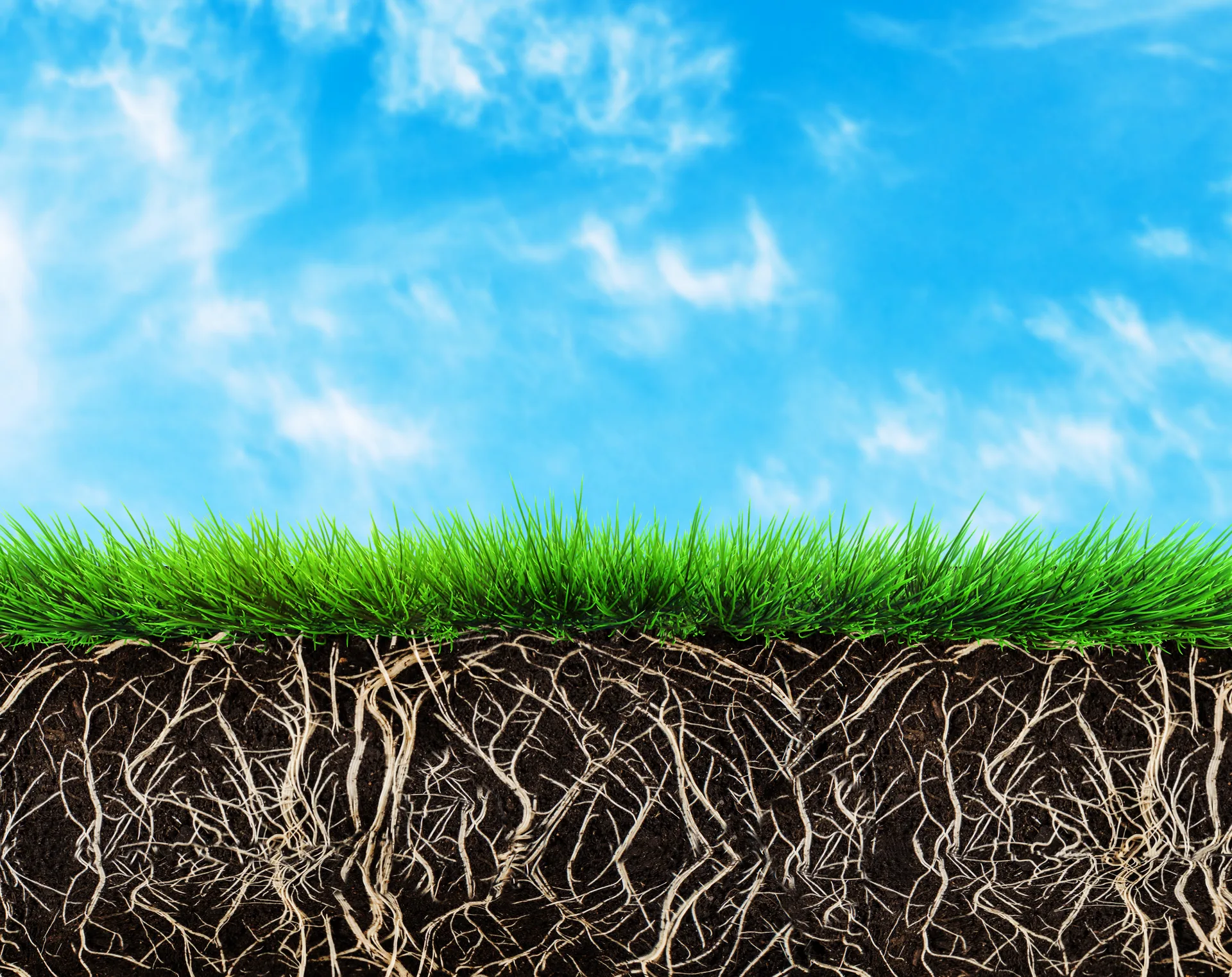
Whichever method is used, remember that tree roots spread well beyond the trunk, often past the outer edge of the branches. Concentrating fertilizer close to the trunk misses many of the roots that do most of the absorbing.
Use Caution With Over-Fertilizing
It is easy to assume that if some fertilizer is good, more must be better. Excess fertilizer can actually create problems:
- Fertilizer salts can draw moisture away from roots and cause browning along leaf edges
- Too much nitrogen can produce soft, lush growth that tends to attract sap-feeding insects such as aphids
- Rapid top growth can outpace root development, leaving the plant less balanced
- Unused nutrients can wash into storm drains and streams, affecting water quality in local waterways that flow to the Chesapeake Bay
Always follow product label directions, and let soil test results guide both the type and the amount of fertilizer applied.
Professional Guidance for Your Trees and Shrubs
Every property is different. Soil conditions, plant species, plant age, and site history all influence what your trees and shrubs need. The certified arborists and degreed horticulturists at Tomlinson Bomberger evaluate these factors to recommend a fertilization approach suited to your landscape. Explore our Tree Fertilization and Tree and Shrub Care services, or contact our team to schedule a consultation.
Call (717) 399-1991, use contact, or request a quote. We serve homeowners across our service areas in South-Central Pennsylvania. Browse the blog for more tree and landscape topics between visits.