A healthy tree is one of the most valuable features on any property. It shades your home, frames your landscape, and adds a sense of character that takes decades to grow. When insects or diseases show up, the first instinct is often to reach for a spray right away.
At Tomlinson Bomberger, our certified arborists and plant health care technicians take a more thoughtful path called integrated pest management. It is a holistic approach that considers the whole tree, the whole landscape, and the whole season before any treatment decision is made. Our integrated pest management and tree and shrub care programs put these principles to work on properties across Central Pennsylvania.
What Is Integrated Pest Management?
Integrated pest management is a decision-making process for keeping pest problems in check while using the least disruptive methods available. Rather than following a fixed spray calendar, it relies on careful observation and sound information.
The goal is not to wipe out every insect in the yard. Many insects are harmless, and many others are beneficial predators that keep pest populations in balance. The real goal is to keep damaging pests below the level where they cause meaningful harm to your trees.
The approach rests on four core principles:
- Monitoring
- Accurate identification
- Threshold levels
- Targeted treatments
Each one builds on the one before it.
Monitoring: Watching Before Acting
Every integrated pest management program begins with regular inspections. Our technicians look closely at leaves, bark, branches, and the soil around the root zone. They check for chewed foliage, discolored needles, sticky honeydew, webbing, egg masses, and small holes in the bark.
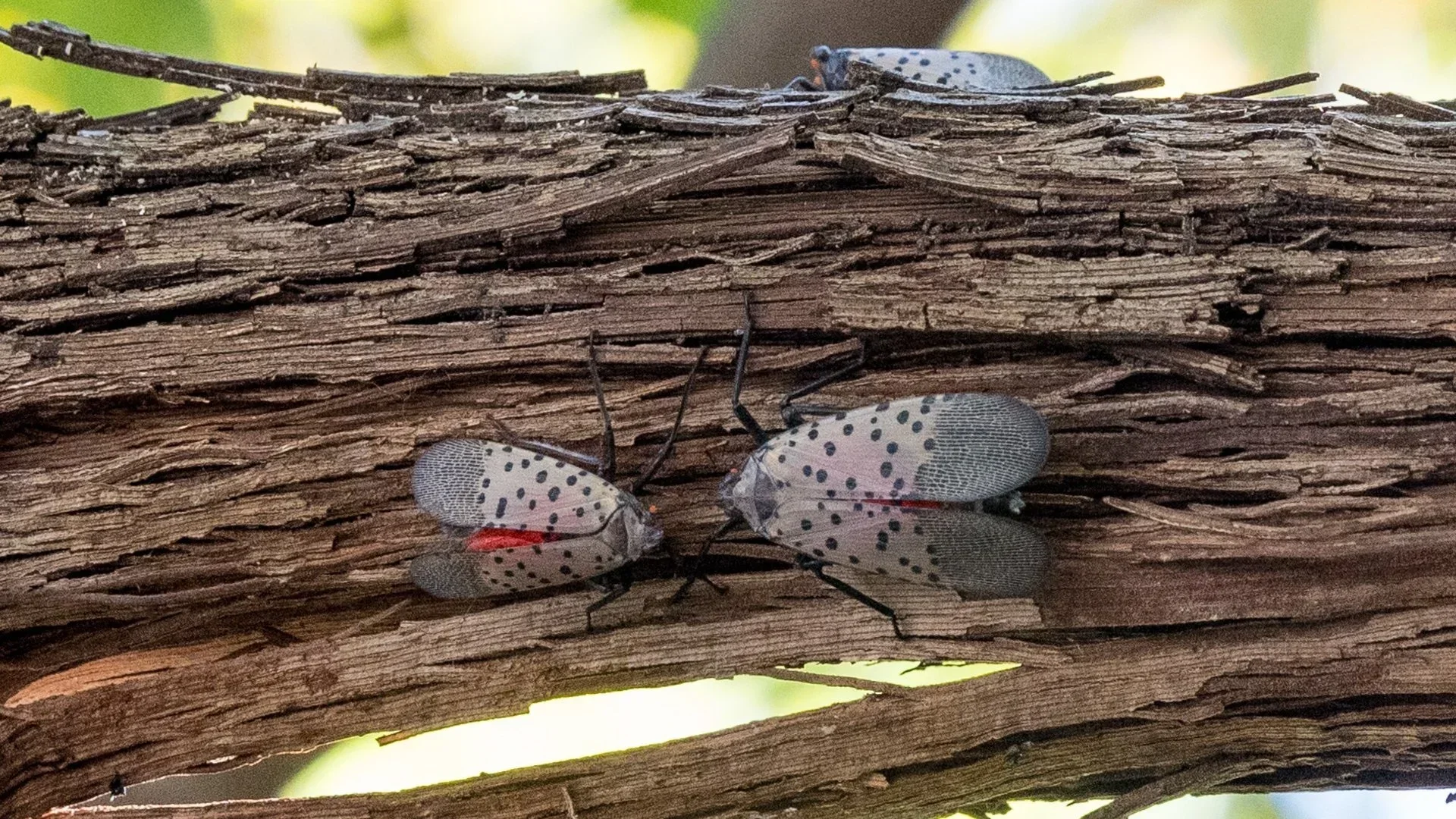
Monitoring throughout the growing season shows when a pest population is building, when it peaks, and when natural enemies are moving in to help. Fall and winter inspections matter too. This time of year is ideal for finding spotted lanternfly egg masses, scale insects clinging to twigs, and bagworm cases hanging from evergreens.

Accurate Identification
A treatment is only as good as the diagnosis behind it. Many tree problems look alike at first glance. Yellowing leaves might point to an insect, a fungal disease, a nutrient deficiency, compacted soil, or simple drought stress.
Even among insects, appearances can be misleading. A beneficial lady beetle larva is easily mistaken for a pest by an untrained eye. Correctly naming the problem and understanding its life cycle tells us whether action is needed at all, and exactly when that action will do the most good. Treating the wrong problem wastes time and leaves the real issue untouched. Our insect and disease management team uses that diagnosis to guide next steps.
Threshold Levels: Knowing When to Act
Finding a few insects on a tree does not automatically call for treatment. Integrated pest management uses threshold levels, which mark the point where a pest population is large enough to cause damage that truly matters.
A handful of aphids on a mature oak is rarely worth treating, because lady beetles and lacewings will often take care of them. A heavy bagworm infestation on a young arborvitae is a different story, since it can strip the plant of its needles in a single season.
Thresholds vary by pest, by tree species, by the age and vigor of the tree, and by how much cosmetic damage a property owner is comfortable accepting. Weighing all of these factors keeps every treatment purposeful.
Targeted Treatments: Three Tools Working Together
When monitoring shows that a pest has crossed its threshold, integrated pest management calls for the most targeted response that will get the job done. That response usually draws from three categories of tools.
Cultural Methods
Cultural methods strengthen the tree and make its surroundings less inviting to pests. A stressed tree is far more attractive to many insects and diseases, while a vigorous tree is better able to resist attack and recover from it. Common cultural practices include:
- Choosing the right tree for the site and planting it at the proper depth
- Spreading mulch in a wide ring while keeping it away from the trunk
- Watering deeply during extended dry spells
- Improving the soil with fertilization and amendments guided by soil testing
- Pruning out dead, crowded, or infested branches at the right time of year
- Clearing fallen leaves that can harbor disease through the winter
Biological Methods
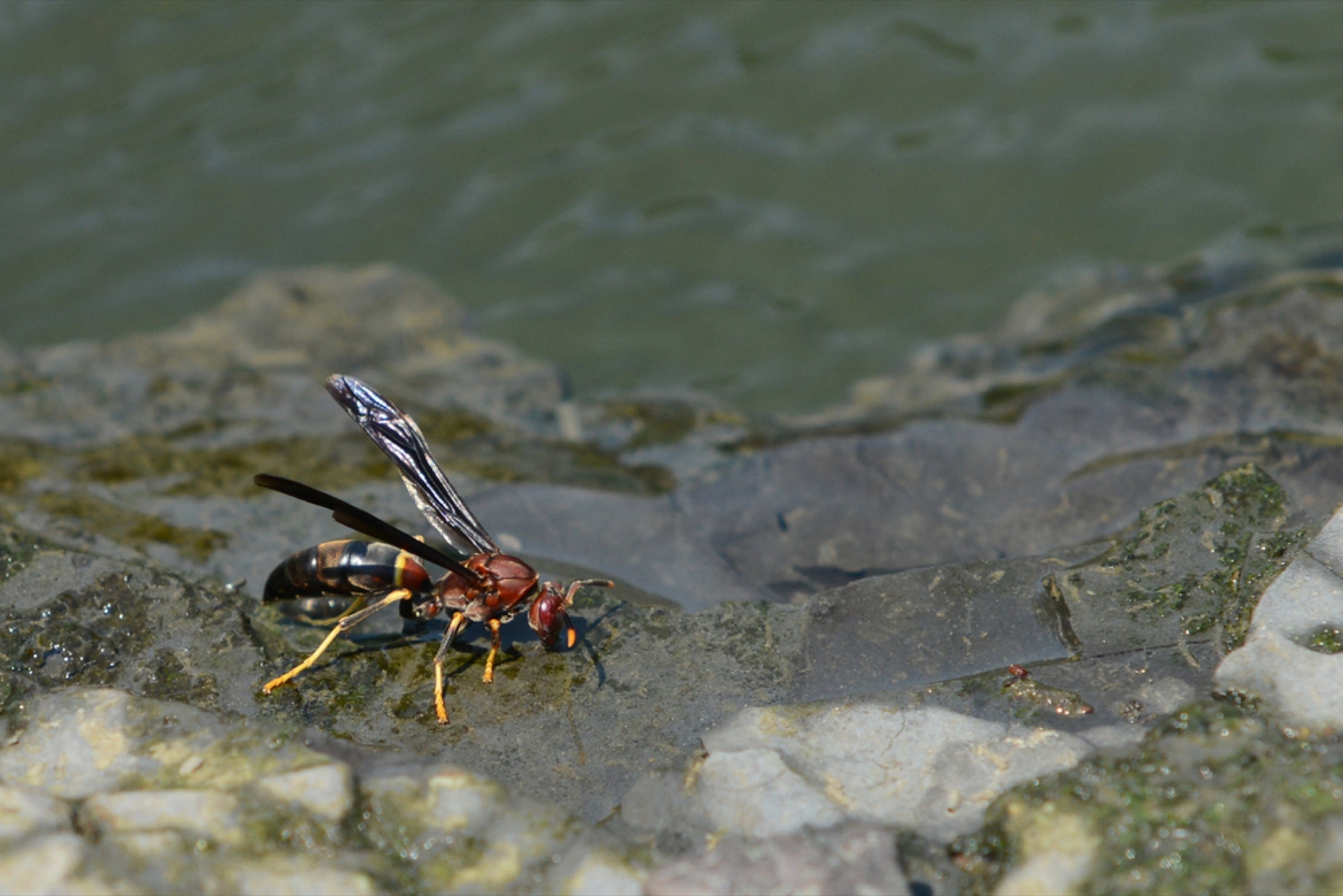
Biological methods put nature to work. Lady beetles, lacewings, parasitic wasps, and predatory mites all feed on common tree pests. Protecting these beneficial insects is one of the main reasons integrated pest management avoids broad, untargeted spraying.
Some biological products are also highly specific. Bacillus thuringiensis, a naturally occurring bacterium, affects only the caterpillars that feed on treated leaves. Encouraging songbirds and a diverse mix of plants throughout the landscape adds even more natural pest control.
Chemical Methods
Chemical treatments still have an important place in integrated pest management, but they are used with precision. When a pest such as emerald ash borer or hemlock woolly adelgid threatens a valuable tree, a targeted product may be the best way to preserve it.
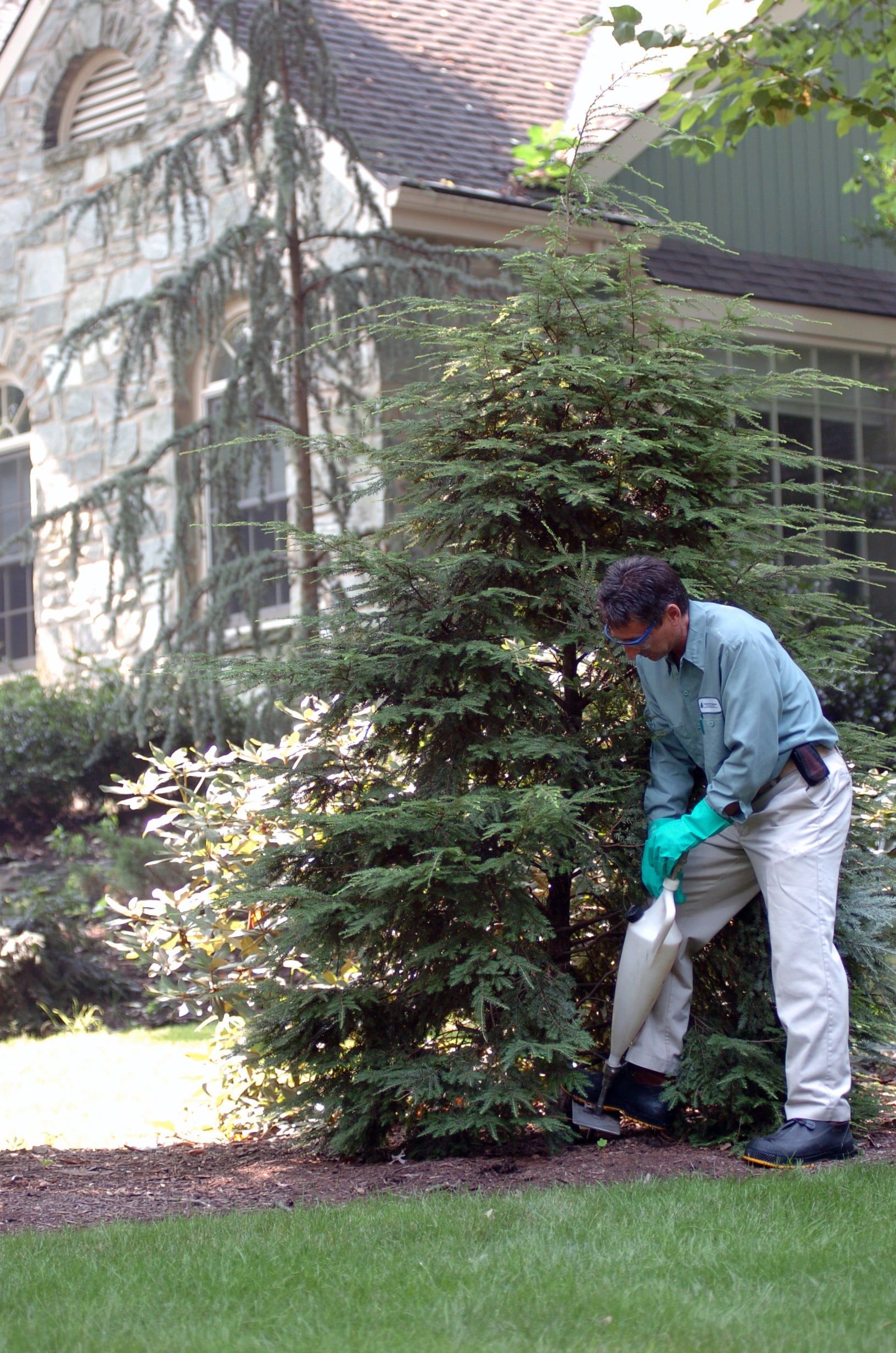
Options range from horticultural oils and insecticidal soaps that break down quickly to trunk injections and soil applications that deliver treatment directly into the tree's vascular system. Timing each application to the most vulnerable stage of the pest's life cycle means less product is needed, and nearby beneficial insects are left largely undisturbed.
Why Combining Methods Works
No single method solves every problem. Relying on chemicals alone can lead to pests that stop responding to treatment, outbreaks of secondary pests once their natural enemies are gone, and a cycle of repeat applications year after year. Relying on cultural care alone may not be enough to stop an aggressive invasive insect.
When the three approaches work together, each one fills the gaps left by the others. Healthy trees resist attack, natural predators keep populations in check, and targeted treatments step in only when they are truly needed. The result is pest management that is both effective and environmentally responsible.
Integrated Pest Management Close to Home
Trees across Lancaster, Harrisburg, and the surrounding counties face a long list of pressures. Spotted lanternfly, emerald ash borer, bagworms, scale insects, and oak wilt are just a few of the challenges our team encounters each season.
Our certified arborists and degreed horticulturists bring integrated pest management principles to every property we care for. We build each plan around your specific trees, your landscape, and your goals.
If you have noticed changes in your trees, or you would simply like a trained set of eyes on your landscape, contact Tomlinson Bomberger to schedule a consultation. Call (717) 399-1991, use contact, or request a quote. You can also learn more about our Integrated Pest Management and Tree and Shrub Care services. We serve homeowners across our service areas in South-Central Pennsylvania.