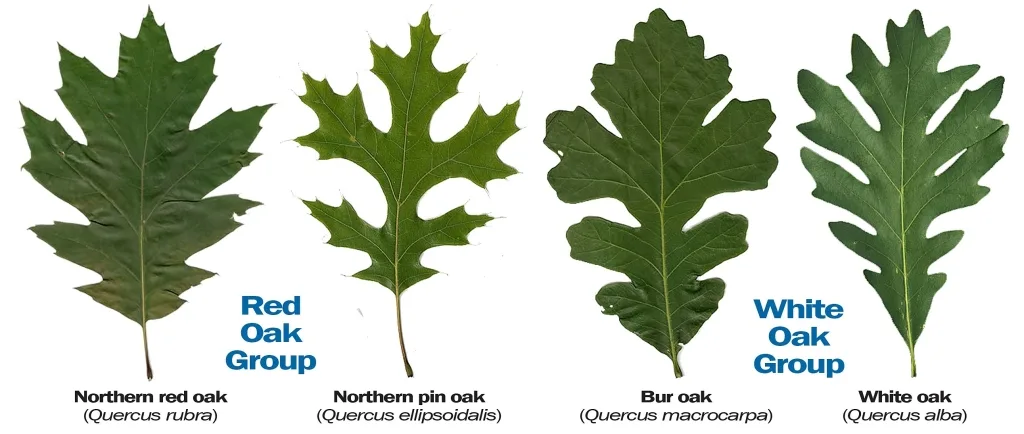
Oak wilt is a fungal disease that plugs the water-conducting tissue inside oaks. Once it gets into a red oak, decline can move fast. White oaks often decline more slowly, which can make the problem easier to miss until several trees on the same lot are involved.
We see oak questions across Lancaster, Harrisburg, York, and Berks County properties every year. If leaves look wrong at the top of the canopy and neighboring oaks share the same yard, it is worth a closer look before you prune, chip, or wait another season. Our oak wilt page covers prevention and management in more detail. This post focuses on what homeowners can notice first and what to do next.
What Oak Wilt Looks Like on the Tree
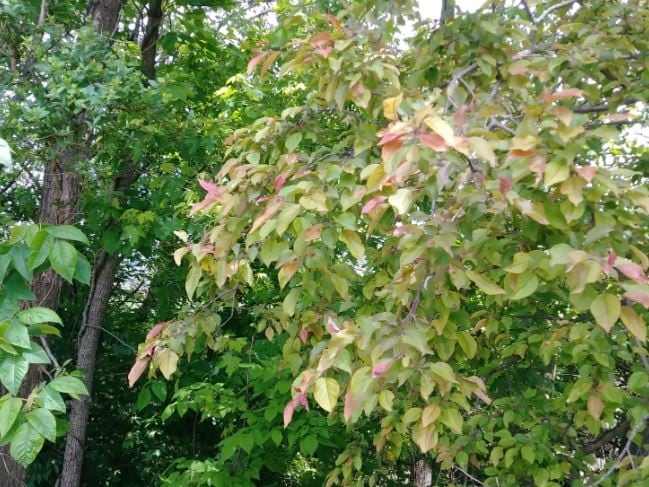
Symptoms often start high in the crown or on the outer edges of branches. Leaves may bronze, wilt, or drop while other parts of the tree still look green. On red oaks, large sections of canopy can fade over a short stretch of warm weather. On white oaks, you may see branch dieback that advances over a longer period.
Other stresses can mimic oak wilt. Drought scorch, construction damage, and other leaf diseases also brown foliage. That is why a photo of the whole canopy, a close shot of affected leaves, and notes about nearby oaks help more than a vague report that the tree looks sick. Our plant health team uses those details when we evaluate trees under insect and disease management and broader plant health care.
How Oak Wilt Moves From Tree to Tree
Oak wilt spreads two main ways. Underground, roots of nearby oaks of the same species can graft together. The fungus can move through those connections without any wound you can see above ground. Above ground, certain sap-feeding beetles can carry spores from fungal mats on diseased wood to fresh wounds on healthy oaks.
That second path is why pruning timing matters. A fresh cut during peak beetle activity is an open door. Storm breaks and construction wounds create the same risk. If an oak is damaged, call sooner rather than leaving raw wood exposed through a high-risk window. Our ISA certified arborist crew and tree pruning team plan cuts with local disease pressure in mind.
Why Waiting Makes the Job Harder
Prompt action is not about panic. It is about limiting options that disappear as the disease moves. A single symptomatic tree may still leave time to protect nearby oaks. A cluster of wilted red oaks on a shared root zone is a different project. Early evaluation helps sort diagnosis, sampling when needed, pruning limits, and whether healthy trees nearby need a protection plan.
We do not promise cures. Oak wilt management is site specific. The useful step is getting eyes on the trees while healthy neighbors still have a clear path for protection.
Skip High-Risk Pruning Windows on Oaks
As a rule, avoid pruning oaks during the warmer months when beetle activity is highest in our region. Necessary storm or hazard work is the exception, and those cuts should be handled carefully and promptly. Do not prune oaks casually for shape or clearance in that window if the work can wait for the dormant season.
If you already pruned an oak recently and see sudden wilting afterward, tell us the date and what was cut. Timing notes change how we read the symptoms. Keep firewood from unknown oaks off the property when you can, and do not move obviously diseased oak wood into a yard with healthy oaks.
Root Barriers and Preventative Treatments
When oaks stand close together, underground spread is often the bigger long-term risk. Root graft disruption, sometimes called root severing, is a professional measure used to interrupt that path between a diseased tree and healthy neighbors. It is not a do-it-yourself trench job. Depth, location, utilities, and which trees still have a chance all matter.
Preventative treatments may also enter the conversation for high-value healthy oaks near a known infection. Those decisions belong with plant health and arborist staff after the site is reviewed. Ongoing care for woody plants sits under tree and shrub care, and soil or root zone support may connect to tree fertilization when overall vigor is part of the plan.
Removal When the Tree Cannot Be Saved
Some infected oaks become hazards or spore sources that need removal and careful handling of wood. That work belongs with trained crews, not a weekend cleanup that leaves piles on site. See tree removal and stump grinding when a failed oak must come down as part of a wider management plan.
What to Tell Us When You Call
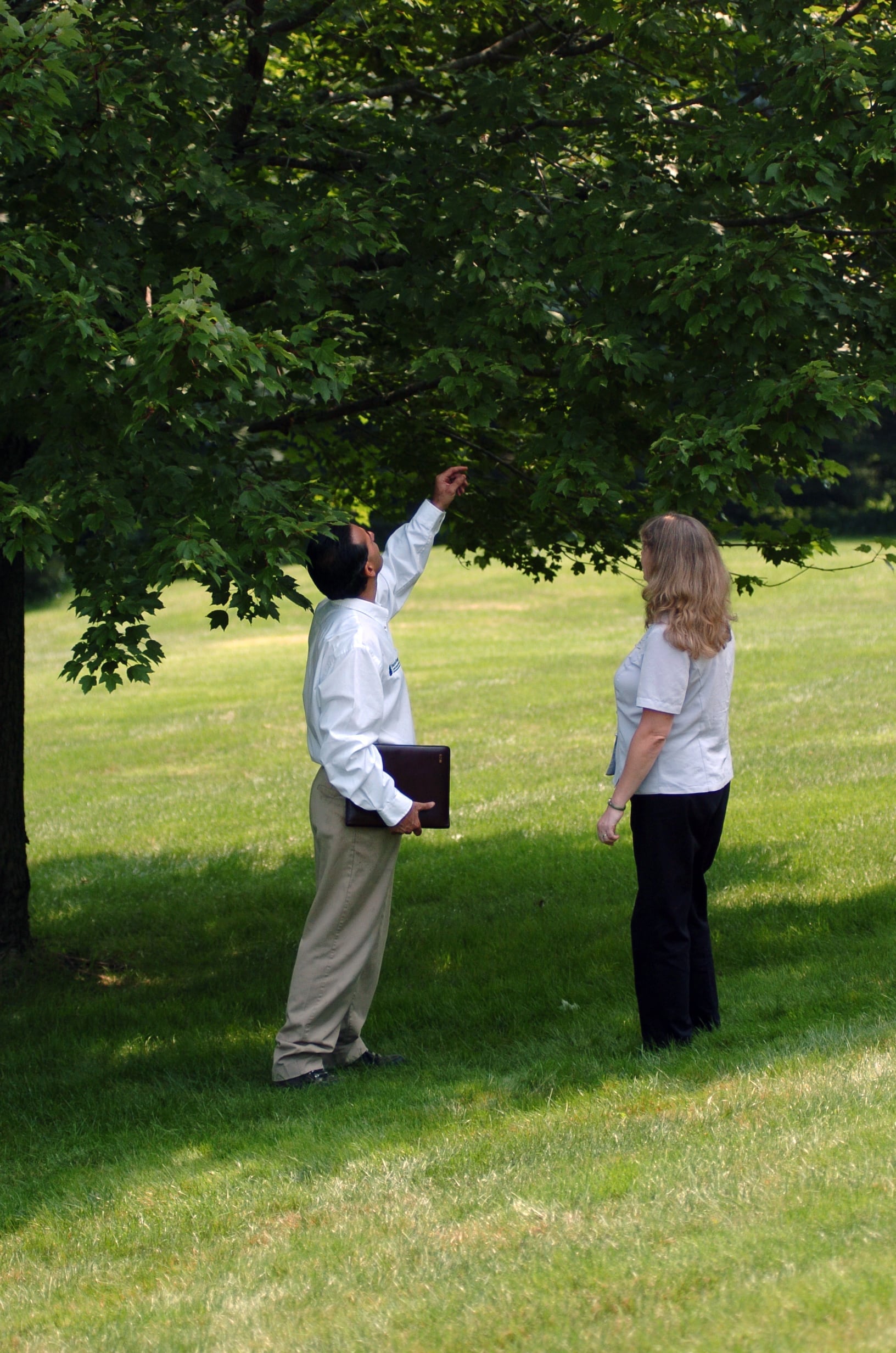
Write down which oaks look wrong, which still look healthy, how close they stand, and when symptoms started. Note recent pruning, storm damage, or construction. Mention whether neighboring properties have dying oaks. Those facts speed the first visit.
Call (717) 399-1991, use contact, or request a quote for oak wilt concerns on your property. We serve homeowners across our service areas in South-Central Pennsylvania. Browse the blog for more tree and landscape topics between visits.