
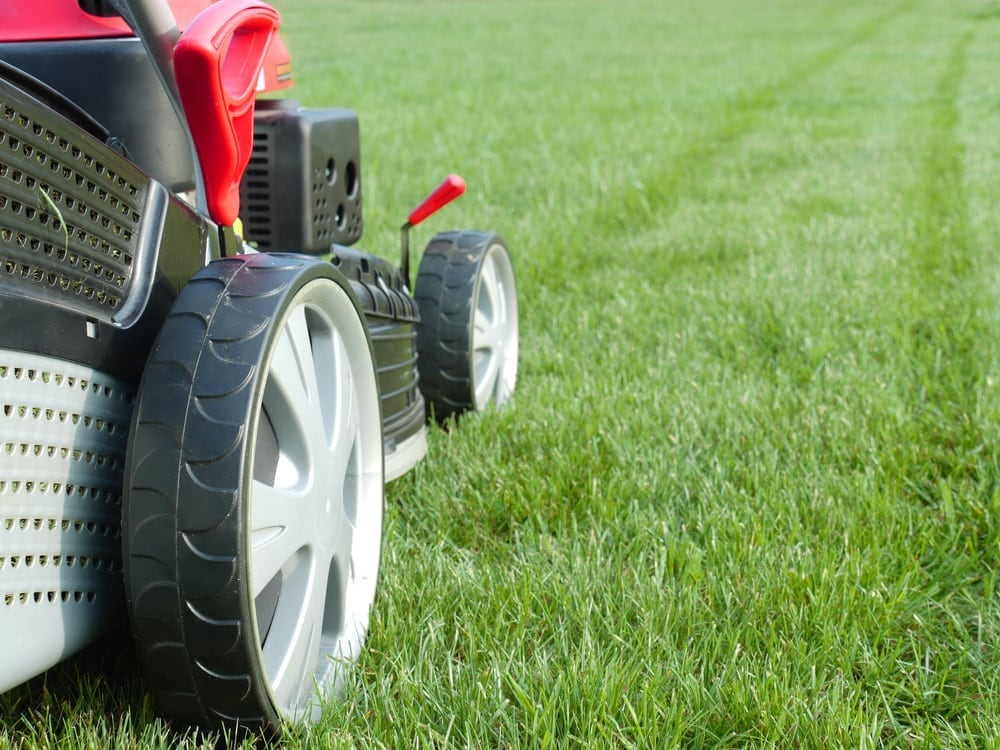
The first haze of green along a sidewalk in Hershey or Ephrata is not always the whole lawn waking up at once. Cool-season grasses green from different microclimates on the same lot—south facing slopes warm first, low pockets hold frost longer, and thin spots beside pavement reflect heat. Reading those signals helps you avoid compacting wet soil or mowing too soon while your lawn care team schedules the first round of fertilizer and crabgrass prevention.
Green Does Not Always Mean “Mow Tomorrow”
Color often returns while roots are still soft from freeze and thaw cycles. If footprints stay sunken after you walk across the yard, stay off except for quick checks. Compaction now shows up as weak growth in June without you connecting it back to March traffic. Wait until the soil firms and grass blades stand upright before the first trim.
Mowing Height Still Starts High
When you do mow, follow the same rule we stress in our article on getting the most from your lawn program: leave roughly three to four inches of blade length for cool-season turf. The first cut of spring should be a light trim, not a scalp, even if winter left some tan tips. A sharp blade matters now because ragged cuts invite disease when nights are cool and dew sits late.
Weeds Wake Up Early Too
Henbit, chickweed, and wild garlic often color the lawn before the grass fully fills in. Some of those issues are handled by scheduled weed control visits; others need different timing if you plan to seed. Snap a few photos of anything you cannot name so your provider can adjust products legally and effectively for Pennsylvania labels.
Watering Before Treatments Arrive
If spring is dry, a single deep watering before granular applications can help product reach the soil line. Follow label guidance and any notes left by your technician about watering in or staying off the lawn. When in doubt, call the office rather than guessing—our goal is the same as yours: even green without waste or runoff into storm drains.
When Soil Questions Outweigh Color
Sometimes the lawn greens unevenly because pH or nutrient levels are off, not because you lack fertilizer. If yellow streaks repeat every year in the same pattern, ask about soil testing before stacking more product on top of the problem. Data from a lab turns arguments into a plan.
Tie Homeowner Habits to Program Success
Professional visits work best when mowing, watering, and pet traffic support them. Mark sprinkler heads before neighbors help with spring projects, keep dog paths in mind when you expect thin areas, and communicate travel dates if you need the schedule shifted around holidays.
If you want help interpreting what you are seeing—or you are not on a program yet—browse the blog for more local topics or request a quote so we can recommend a program tier that matches your yard’s personality, not just its square footage.