
You do not need a clipboard or a fancy app. You need twenty quiet minutes and boots that can handle mud. In Mechanicsburg or Palmyra, the week when frost leaves the ground but before the lawn turns deep green is the sweet spot to see your property clearly.
Take photos facing each corner of the house so you have a simple record if you need to plan repairs with a contractor or talk with your insurance agent later. Check the mailbox post, any buried wire for an electric dog fence, and outdoor hose bibs you may not have drained in fall. Open the shed and look for moldy cushions, chewed bags, or mouse nests before you stack tools for the season.
If you compost, lift the lid and peek inside. Spring is a good time to turn the pile and add dry leaves or straw if the material smells sour or sits too wet. Rodents like a quiet heap tucked against a fence, so moving the bin a few feet or adding a tight lid now can save trouble when warm nights bring more activity.
Start Where Water Goes
Walk the downspouts first. Make sure splash blocks or extensions still aim away from the foundation. Pooled water near the basement wall in spring often turns into a damp corner by summer. If a strip of lawn always stays soggy after a normal rain, mark it with a stake. Fixing low spots might mean light grading, adjusting a downspout, or planning drainage friendly plantings later. Our landscape team often sees these patterns during spring cleanup visits.
Trees, Roof Lines, and Anything Hanging Overhead
Look up from the driveway and the patio. Branches that touch siding or hang over the roof should be trimmed before leaves hide the structure. Cracks, cavities, and mushrooms at the base of a tree deserve a closer look from someone trained to read risk. If you are not sure, start with the article on when to call a tree care professional and then reach out if something worries you.
Beds, Mulch, and Winter Heave
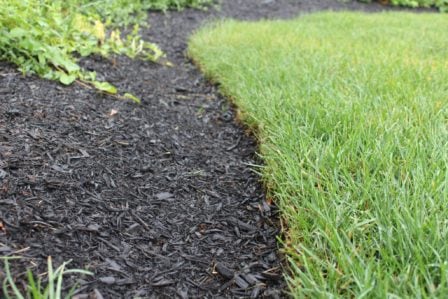
Perennials sometimes pop partly out of the soil after freeze and thaw. Press them back gently if roots are still covered. Pull mulch back from tree trunks so you see a few inches of bare bark at the base. Fluff old mulch if it is matted, and note where weeds already sprouted along bed edges. Hand pulling is easier now than after a warm week when roots grab harder.
When you shift from beds to hard surfaces, use this short line on the page as a visual break between ideas.
That helps readers move from plants to walks and drives without feeling rushed.
Walks, Patios, and Trip Hazards
Frost can lift pavers or stones a fraction of an inch and still create a toe catcher. Reset anything loose if you can do it safely. Note settled areas that hold water beside steps. Small fixes now prevent ice problems next winter. If a project is bigger than a Saturday afternoon, add it to a list for a quote when you are ready.
Lawn Clues You Can Read Early
Tan grass is not always dead grass. Cool season turf in Reading or New Cumberland often waits for steady soil warmth before it deepens in color. What matters now is whether crowns feel firm when you tug lightly and whether vole runs or heavy equipment left ruts. Sketch bare patches on a simple map of the yard so you remember locations in fall when overseeding works best.
Tools and Safety Basics
Air up wheelbarrow tires, check extension cords for cracks, and verify that your mower starts before grass is tall enough to need a cut. Stiff rakes beat cheap ones for the first pass on gravel tossed into the lawn. If you store fuel over winter, consider fresh gas for the first mow. Sharp blades matter as much as any product you spread.
Garage and Fence Pass
Roll garbage cans forward and study the pad where they sat all winter. Salt from boots and dripping snow melt often kills a half moon of grass behind a gate or beside the driveway. Sweep away grit, add a thin layer of topsoil if the spot is low, and plan seed for fall if you still see bare ground after green up. Walk the fence line and tighten loose pickets or lag bolts on posts so summer storms do not pull a whole section over.
Bring the Family Into One Lap
Kids notice things adults overlook: a loose fence board, a wasp nest starting under a playset rail, a gate that drags. A single loop with everyone pointing at one find each makes the walk faster and more fun.
If You Want a Second Opinion
Some homeowners prefer a pro walkthrough once a year to pair with do it yourself tasks. We can align timing with spring cleanup or broader landscape maintenance so beds, edges, and the first mow do not all land on the same busy weekend.
Use this short list to end your walk with clear next steps.
- Photograph anything you cannot name or fix in an hour.
- Mark three priorities: safety, water movement, and plant health.
- Check service areas if you want Tomlinson Bomberger on site.
- Read resources for longer guides that match your goals.