Leaves are often the first place a tree shows that something is wrong. Yellowing, pale color, small leaves, or slow growth can all point to a nutrient imbalance. The same symptoms can also come from drought, root damage, insects, or disease. Learning to recognize the signs is a helpful first step, but an accurate diagnosis depends on looking below the surface, starting with the soil.
Common Signs of Nutrient Imbalances
**Chlorosis.** Chlorosis is the yellowing of leaves that should be green. One of the most recognizable patterns is interveinal chlorosis, where the leaf tissue between the veins turns yellow while the veins stay green. In South-Central Pennsylvania, this is often seen in pin oaks, red maples, and river birch. It frequently relates to iron or manganese that the tree cannot absorb because the soil is too alkaline, rather than a true shortage of those nutrients in the soil.
**Poor growth.** Short yearly twig growth, leaves that are smaller than normal, and a thinning canopy can indicate that a tree is not getting the nutrients it needs.
**Leaf scorch and discoloration.** Browning along leaf edges, dull or off-color foliage, and early fall color can also be linked to nutrient imbalances, though these signs have many possible causes.
The table below outlines common symptoms associated with specific nutrients. Use it as a general guide rather than a diagnosis.
| Nutrient | Common signs | Where symptoms often appear first |
|---|---|---|
| Nitrogen | Overall pale green to yellow leaves, small leaves, reduced twig growth | Older, lower leaves |
| Potassium | Yellowing or browning along leaf edges, a scorched look | Older leaves |
| Magnesium | Yellowing between the veins, sometimes with reddish tints | Older leaves |
| Iron | Yellowing between green veins; severe cases turn pale yellow to nearly white | Newest leaves |
| Manganese | Yellowing between the veins, similar to iron, often with a wider green band along the veins | Newer leaves |
| Phosphorus | Dull, dark, or purplish leaves and reduced growth; less common in landscape soils | Older leaves |
Symptoms That Can Look Like Nutrient Problems
Many other conditions produce yellowing leaves or poor growth, including:
- Drought stress or overwatering
- Root damage from construction, trenching, or soil compaction
- Girdling roots, trees planted too deeply, or mulch piled against the trunk
- Insect feeding, such as mites or scale
- Leaf diseases
- Exposure to herbicides
Because so many causes overlap, adding fertilizer based on leaf color alone may not address the actual problem, and in some cases it can add stress.
Why Professional Soil Testing Matters More Than Guesswork
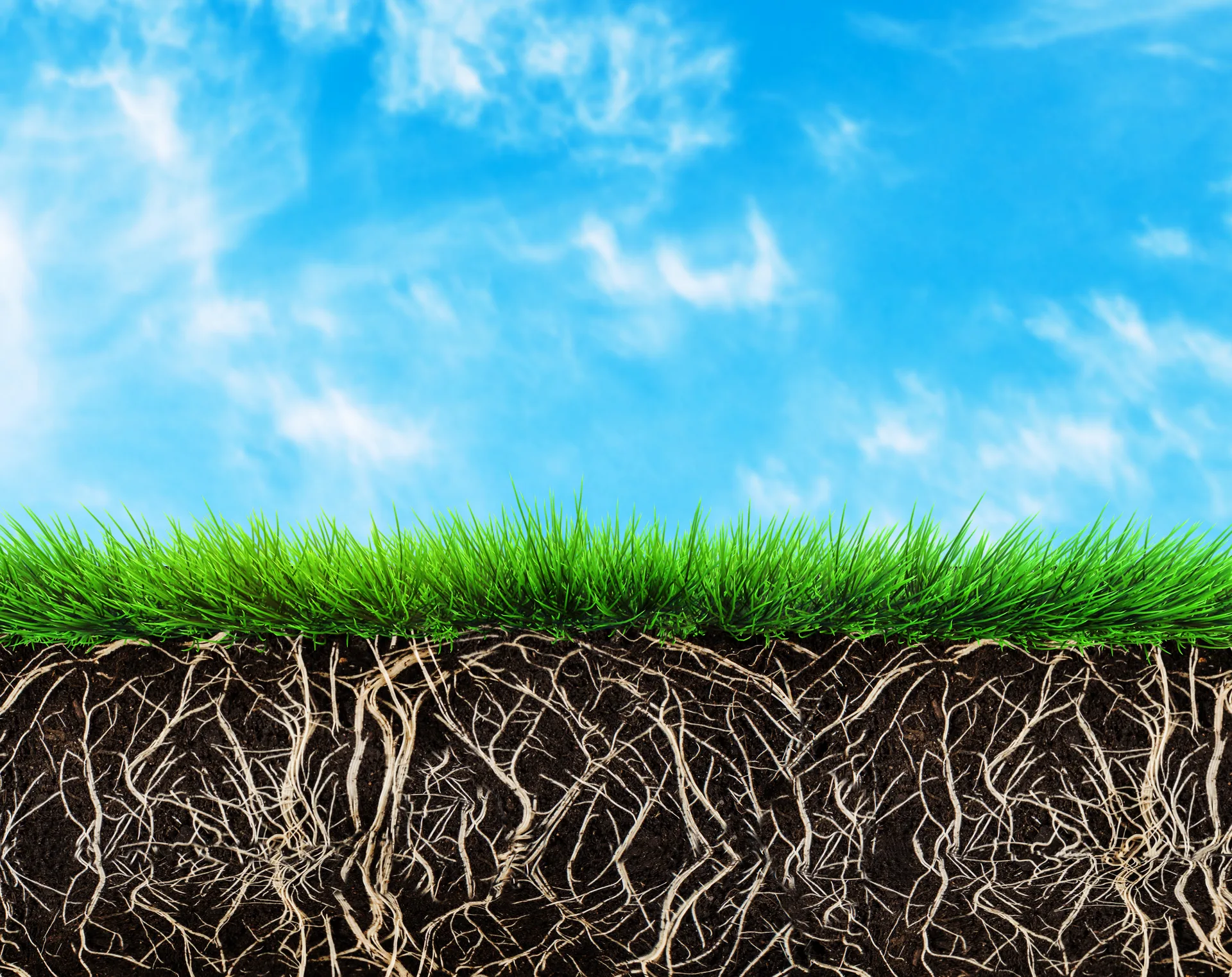
A professional soil test measures nutrient levels, organic matter, and soil acidity. The results show whether a nutrient is truly missing or present but unavailable to the roots. That distinction shapes the entire treatment plan.
Soil testing also helps avoid applying nutrients that are already abundant, which wastes product and can contribute to runoff. In some situations, leaf tissue analysis can add another layer of information by showing what the tree is actually taking up. Retesting over time helps track how the soil responds to any corrections.
How Soil Amendments and Fertilizers Can Help
Once testing identifies the issue, a few approaches may be recommended:
- **Adjusting soil acidity.** When soil is too alkaline, sulfur-based amendments can gradually lower it. When soil is too acidic, lime can raise it. These changes happen slowly, often over months or years.
- **Adding organic matter.** Compost and organic mulches improve soil structure, water holding, and the activity of beneficial soil life, all of which support nutrient availability.
- **Targeted fertilization.** A fertilizer selected to match soil test results supplies what is lacking without overloading what is already present.
- **Micronutrient treatments.** For trees with ongoing iron or manganese chlorosis, professionals may use treatments delivered into the root zone or the tree itself to provide quicker access to those nutrients while longer term soil corrections take effect.
Results vary based on tree species, soil conditions, and the overall health of the tree, and visible improvement often takes more than one growing season.
Get the Right Answer for Your Trees
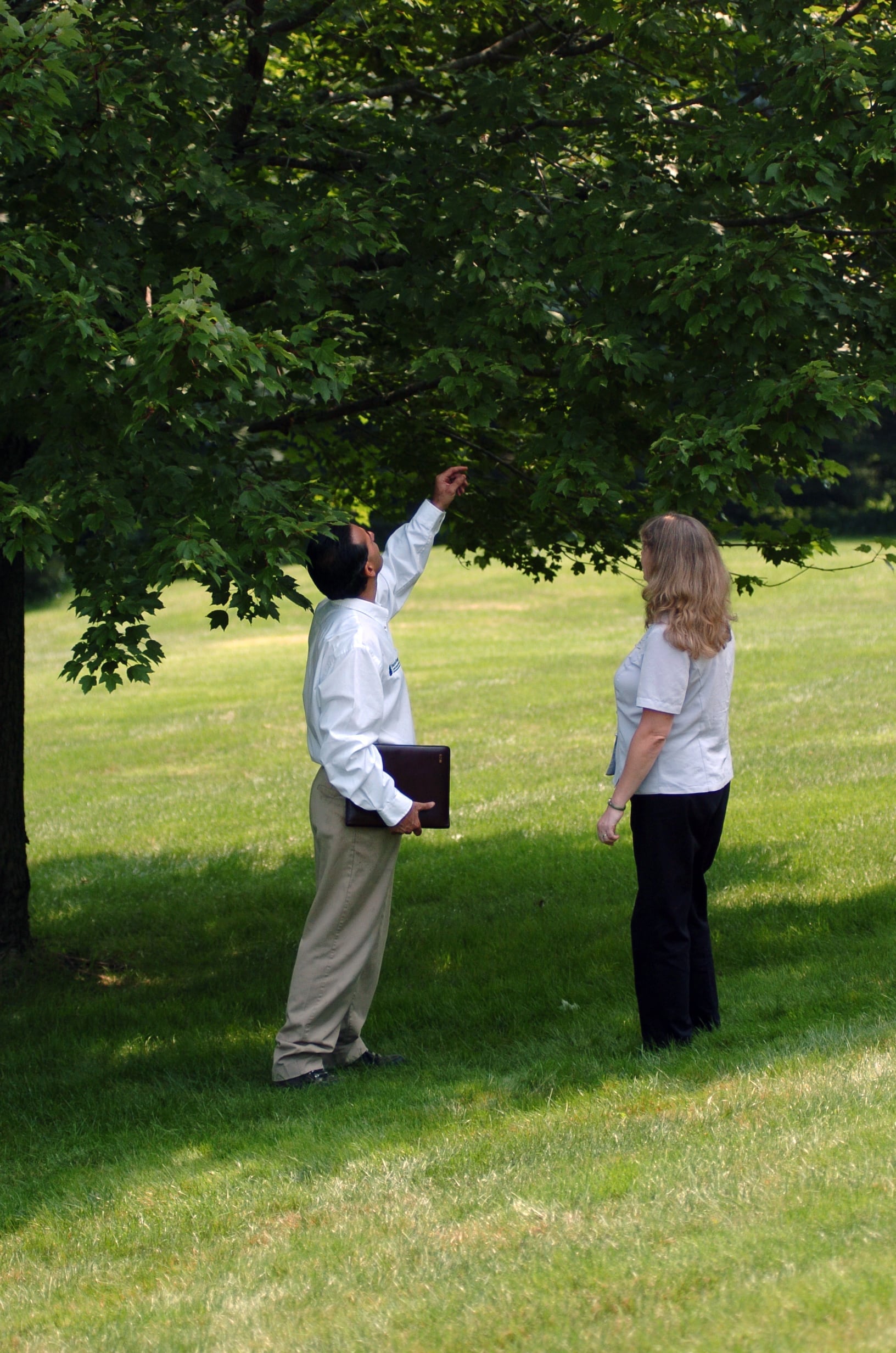
If your trees are showing yellowing leaves or slow growth, the certified arborists and degreed horticulturists at Tomlinson Bomberger can help determine what is behind it. Learn more about our Soil Analysis, Soil Amendments, and Tree Fertilization services, or contact our team to schedule a consultation.
Call (717) 399-1991, use contact, or request a quote. We serve homeowners across our service areas in South-Central Pennsylvania. Browse the blog for more tree and landscape topics between visits.