
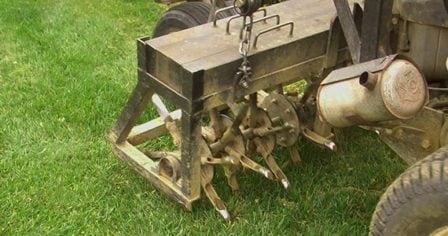
Warm afternoons in March and April tempt many homeowners in York, Lebanon, and Camp Hill to rent an aerator and throw down seed the same weekend. Mechanical work can help thin turf, but timing and follow-up watering matter as much as the machine settings. This guide walks through how aeration and overseeding fit South Central Pennsylvania cool-season lawns in spring.
Why Aeration Helps Before or After Winter Stress
Core aeration pulls small plugs of soil and thatch out of the lawn so air, water, and fertilizer move deeper into the root zone. Compacted edges along driveways, paths where the dog runs, and low spots that stay wet after rain are common places to see weak grass even when the middle of the yard looks fine. Opening those areas gives roots room to spread before summer heat arrives.
Spring aeration is popular because people are already outside and thinking about green-up. It can pair well with overseeding if you commit to keeping the top inch of soil moist while new seedlings emerge. If spring turns dry quickly, fall remains the more forgiving window for establishing new grass in our climate.
When Overseeding in Spring Makes Sense
Overseeding after aeration lets seed fall into the holes instead of sitting on top of the thatch layer. Spring seeding works when you can water on a schedule, keep foot traffic light on new areas, and accept that some summer weeds will compete with young grass. For large renovations or full sun bake zones, many of our clients still prefer September and October for the heaviest seeding work and use spring for touch ups or small bare spots along shade lines or pet paths.
How This Fits With Your Lawn Care Program
If you are on a lawn care program, pre-emergent crabgrass control and certain weed controls can limit how well new seed germinates. Tell your lawn care provider before you aerate and seed so they can adjust timing or product choice where possible. Skipping communication often means wasted seed or cancelled warranty expectations on weed control, neither of which helps your budget.
Watering and Mowing After the Service
Keep soil damp—not muddy—for the first few weeks after overseeding. Short, frequent watering beats one long soak that runs off compacted soil. When new grass reaches roughly three inches, mow high with a sharp blade and avoid turning tires on tender seedlings. Bagging clippings for the first few cuts can reduce smothering if the lawn is thickening fast.
Soil Chemistry Still Matters
Mechanical work does not fix a pH or potassium problem. If the same stripes stay yellow every year, ask about a soil analysis so lime and fertilizer match the lab sheet. Aeration helps delivery; chemistry still drives color and rooting.
When to Call Tomlinson Bomberger
If you are unsure whether spring or fall is better for your lot, or you want aeration bundled with overseeding and a program that lines up treatments safely, request a quote or contact us. We serve properties across our service areas with the same science-based approach outlined on our lawn care pages.
Quick checklist before you book mechanical work
- Flag irrigation heads and shallow dog fence wire.
- Note shady versus full sun zones so seed mix matches.
- Plan watering for at least fourteen days after seeding.
- Share your treatment schedule if another company handles fertilizer.
A little planning in spring saves replacing dead seedlings in July. Pair smart timing with professional seeding and aeration when you want the crew, equipment, and follow-up advice in one call.