
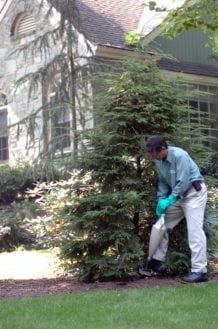
Your hydrangea leaves look pale no matter how often you water, or the boxwood hedge never fills the way the tag promised fifteen years ago. Before you buy another bag labeled for everything, it helps to know what soil amendments actually do in a landscape bed, how they differ from lawn fertilizer, and when professional plant health care is worth a conversation. This guide speaks in plain language for homeowners in Lancaster, Harrisburg, York, and the smaller towns around them.
Soil Is Not Just Dirt
Healthy bed soil holds air, drains rainfall without turning concrete hard in July, and holds nutrients where roots can reach them. Amendments change texture, organic matter, or chemistry so roots function better. They are not magic dust. If pH is far off for a plant you love, the right amendment can unlock nutrients that were already present but chemically locked. If texture is sandy and droughty, organic matter helps hold moisture between rains. If clay stays soggy, organic matter and careful cultivation improve pore space over time.
Lawns and beds answer to different rules. Turf soil programs often focus on potassium, nitrogen, and pH at a depth where grass roots live. Woody plants pull from a wider profile and respond more slowly. That is why we separate conversation about lawn soil testing from bed and shrub work on many properties.
What Counts as an Amendment
Common amendments include composted organic matter, aged pine fines in measured use, lime when pH is low for the plants on site, and specialized blends a plant health manager chooses after looking at symptoms and sometimes lab data. Fertilizer is related but not identical; it feeds the plant directly while amendments feed the soil ecosystem and structure. In practice, crews may bundle both when a bed has hungry plants sitting in tired soil.
Mulch sitting on top is not the same as mixing organic matter into the root zone. Mulch protects surface roots and reduces weed seed germination. True amendment work considers how deep roots actually grow for each species. A tree island with compacted soil from years of foot traffic may need different handling than a perennial border that gets turned gently each spring.
Reading Symptoms Without Jumping to Conclusions
Yellow leaves can mean many things: wet feet, dry pockets, high pH locking iron, low nitrogen, or damage from insects you have not noticed yet. Spotted leaves might be disease, spray drift, or root stress showing up as scorch. A photo series through the season helps more than a single snapshot. Note which side of the plant faces south, whether the problem starts at the tips or the interior, and whether new growth looks better or worse than old growth.
If you walk the yard monthly from April through September, you will catch patterns that a single July panic misses. That habit pairs well with integrated pest management thinking, where observation comes before broad spraying.
When Weekend Work On Your Own Helps
Top dressing thin beds with compost after loosening the top inch can help gentle soils if you keep mulch from touching bark. Pulling competing weeds before they set seed reduces future workload. Watering deeply and less often encourages deeper roots than daily spritzing from a handheld sprayer. Those habits support any professional plan.
Where Home Projects Usually Stop
Large trees, steep slopes, and beds wrapped around utilities need more than a weekend guess. Heavy equipment near roots causes damage that shows up years later. Loading lime or sulfur without a test risks swinging pH the wrong direction for acid loving plants under pin oaks. If a shrub is declining next to a sidewalk salted all winter, amendment alone will not fix salt load without also changing how ice melt is used.
How Tomlinson Bomberger Approaches Beds
Our plant health care team works with trees and shrubs using site visits, soil amendments when appropriate, fertilization timed for species, and monitoring for insects and diseases common in Central Pennsylvania. We coordinate with landscape crews when bed renovation, planting, or drainage work belongs in the same conversation. You can read more on the soil amendments service page for how we think about organic matter and soil structure in real yards.
If you are planning new plantings, the design and installation page shows how we integrate soil prep into a project so new material does not sit in the same compacted hole the old shrubs struggled in. Irrigation adjustments belong in that talk too, because wet corners and dry corners often trace back to spray overlap, not bad plants.
Talking With Us Without a Long Email
When you contact the office, short facts speed routing: plant names if you know them, sun or shade, how long the issue has lasted, and whether the problem is spreading. Photos in morning light and a close shot of leaves front and back are enough to start. We serve a wide band of South Central Pennsylvania; check service areas if you are unsure whether your township is included.
Soil work rewards patience. Roots respond over seasons, not weekends. Combine steady observation with targeted help, and beds usually look more even within a year or two than they would after a single dramatic product dump.
Use this list before you buy another amendment at the garden center.
- Identify sun, shade, and wet spots on the same bed.
- Decide whether the issue is new this year or slowly worsening.
- Separate lawn concerns from bed concerns because tests differ.
- Read soil analysis for turf if the lawn is the real worry.
- Request a quote when multiple plants or a large tree are involved.
Browse the blog for more local topics when you want to read between visits.