
You signed up for a lawn program so your yard would look great without the guesswork. To get the most from it, a few simple habits on your side make a big difference. Here is how homeowners in Lancaster, Harrisburg, York, and the rest of South Central Pennsylvania can team up with their lawn care provider for the best results.
Mowing Height Matters More Than You Think
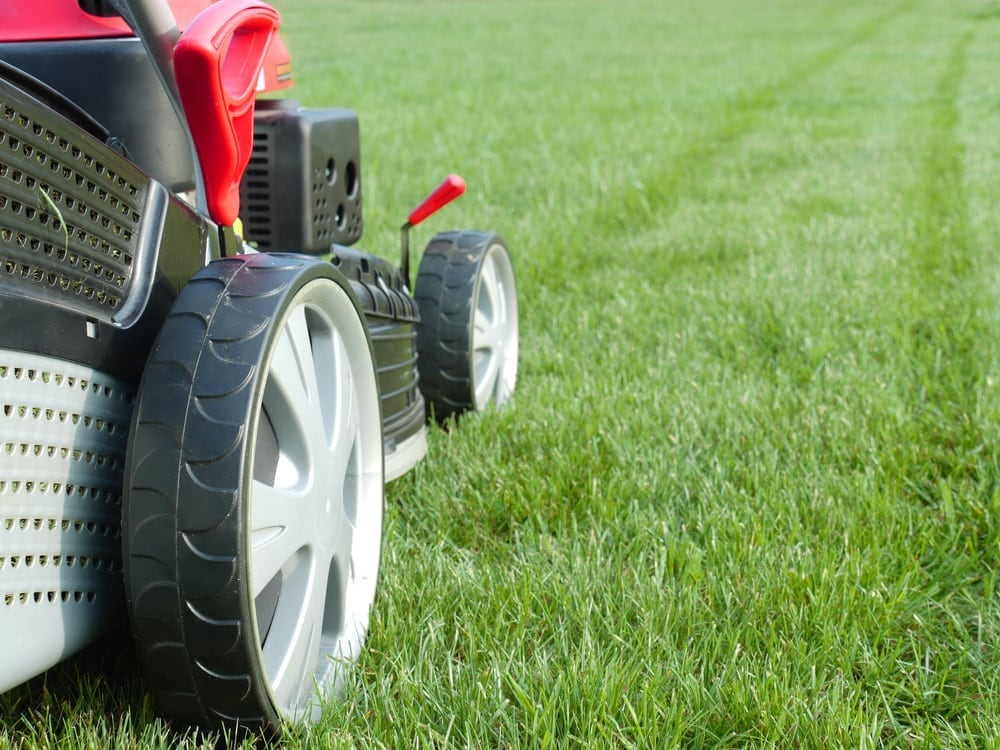
Set the deck high enough. In our area, cool season grasses do best when you leave the grass around three to four inches after mowing. That height shades the soil, holds moisture, and helps crowd out weeds. Cutting too low stresses the grass and invites weeds and crabgrass. If you are not sure, raise the deck one notch and keep it there for the whole season.
Follow the one third rule. Never remove more than one third of the grass blade in a single mow. If you skip a week and the lawn gets tall, mow high the first time and then bring it down over the next cut or two. Scalping the lawn once can set you back for weeks.
Keep the blade sharp. A dull mower blade tears the grass instead of cutting it. Those ragged tips turn brown and can make the whole lawn look off. Sharpen the blade at least once a year, or whenever you notice a ragged edge on the grass blades.
Watering: Consistency Beats Quantity
Water deeply and less often. Aim for the equivalent of about one inch of water per week, including rain. Use a rain gauge or a straight sided can to measure. One or two longer sessions per week are better than a little water every day. Deep watering encourages roots to grow down; shallow daily watering keeps roots near the surface and the lawn less resilient in summer heat.
Early morning is best. Water in the morning so the grass has time to dry before evening. Wet grass overnight can encourage disease. If morning is not possible, late afternoon is the next best option.
**Do not rely on a quick thunderstorm. A short, heavy downpour often runs off or only wets the top layer. Check the soil with a screwdriver or trowel. If the top few inches are dry, the lawn still needs water.
When to Add Services or Upgrade Your Program
Bare or thin spots. If you have areas that never fill in, ask about seeding or aeration. Fall is the best time for seeding in South Central PA; spring seeding is possible but harder to keep through summer. Aeration opens the soil so water and nutrients reach the roots. Many homeowners add aeration every year or every other year.
Weeds that keep coming back. If weeds are still a problem after treatments, you may need a different approach or an extra application. Talk to your provider. Sometimes a soil or site issue is at play, and they can suggest the right fix.
Grub damage. If you have seen patches of dead grass that pull up like a rug in late summer or early fall, grubs may be the cause. Grub control is often an add on. Ask when the best application window is for your area.
Upgrading your program. If you are on a basic plan and want better color, fewer weeds, or more feedings, ask what the next tier includes. Moving from basic to standard or premium often means more fertilizer applications, weed control, or both. Your provider can outline the options and the cost.
Working With Your Lawn Care Team
Mark obstacles. Flags or stakes around irrigation heads, dog stakes, and delicate plantings help the technician avoid damage and apply product where it counts.
Know your schedule. Many treatments need a window of dry weather. If you know you will be away, communicate that so the team can plan around it when possible.
Ask questions. If you are not sure why something was done or what to do next, ask. A good lawn care company will explain the plan and how your mowing and watering support it.
A strong lawn program plus consistent mowing and watering gives you a yard you can enjoy all season. If you are in Lancaster, Harrisburg, or the surrounding counties and want to start or adjust a lawn program, we can walk you through the options and get you on the calendar.