
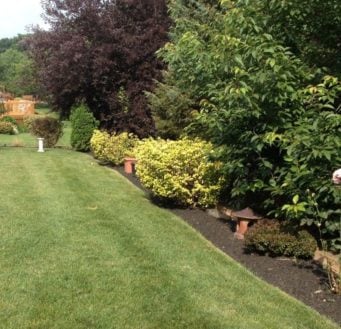
You finally shut the door on raw March wind, then notice the forsythia and daffodils stealing the show along the neighbor's fence. In Elizabethtown, Mount Joy, or Hershey, April is the month when cool season grass starts to look hungry for the first real mow, and beds that looked fine under snow suddenly show every gap in the edge. If you felt organized after a late March walkthrough, April is when the pace doubles and small chores stack faster than you expected.
This article is for homeowners who want a calm read on what usually happens outdoors in South Central Pennsylvania during April, how that lines up with professional landscape and lawn visits, and where to look on our site when you want more detail. Nothing here replaces a site visit; it simply names patterns we see across Lancaster County, Dauphin County, York County, and the towns between.
Growth Spreads Unevenly Across the Same Lot
South facing slopes and pavement edges warm first. Low pockets near the mailbox or the air conditioner pad stay wet longer, so grass there may still look sleepy while the front strip looks shaggy. That mismatch is normal. It affects mowing more than it affects health. Wait until turf stands tall enough to cut without pulling crowns, keep blades sharp, and avoid making the first few passes a race to the lowest setting. Our article on reading your lawn's first green signals pairs well with this month if you want more turf detail.
April is also when many clients remember they meant to fix a thin strip beside the driveway. If seeding is on your mind, read the spring guide to aeration and overseeding on the blog and talk with whoever runs your program so timing matches weed control and fertilizer. Mechanical work and chemistry need to cooperate, not compete.
Beds Wake Up Faster Than People Expect
Perennials push through mulch overnight once soil temperatures settle. Weeds do the same. A bed that looked clean at Easter can look fuzzy by the first warm rainy week. Hand pulling is still pleasant in cool soil; waiting until June means thicker roots and more time per weed. If you use a service, April is when steady landscape maintenance earns its keep because growth is exponential, not linear.
Walk the beds with an eye for mulch depth. You want enough to limit evaporation and knock back weeds, but not a volcano against tree trunks. If you are unsure about depth or how to refresh without smothering crowns, our edging and mulching service page describes how crews approach that balance on real properties.
When April Rain Keeps Coming
Wet springs delay mowing, which pushes grass taller between cuts. Taller grass often means more clippings. Alternate between mulching and bagging if the deck threatens to leave clumps that shade young blades. Wet soil also means you should pause heavy wheel traffic on the lawn for parties or delivery trucks when you can. Compaction shows up later as thin lines where everyone walked during the soft weeks.
If downspouts or swales are spilling toward beds or basements, note it now. Fixing drainage can involve simple grading, stone, or plant choices. Our landscape team often spots these patterns during spring cleanup visits. The irrigation page matters too if you plan to turn water on; heads shifted by frost heave waste water and miss dry pockets.
Planning Projects Without Doing Everything at Once
April enthusiasm tempts people to book hardscape, lawn, tree work, and pest visits in the same week. Crews and materials rarely line up that neatly, and turf needs time between heavy foot traffic and fertilization. A practical approach is to rank two outcomes you want by July, then stack the rest into late summer or fall. For outdoor kitchens, patios, or walks, start with the hardscape overview and outdoor living pages so you understand how long design and permits can take in your municipality.
If your stress is mainly about shade trees or large ornamentals, the arborist section and the article on when to call a tree care professional give language for what you are seeing. Photos from several angles help our office route your question before a climber ever arrives.
How Professional Visits Typically Layer in April
Lawn programs often include early season fertilizer and crabgrass prevention when soils reach workable temperature. Landscape crews may be in spring cleanup, bed detailing, or first pruning passes depending on plant type. Plant health visits may include soil amendment planning for beds that test low in organic matter. None of that is one size fits all; soil type in Lebanon Valley differs from river valleys near the Susquehanna.
If you are new to the area, read our service areas page to confirm your town falls inside where we work. Then use request a quote or contact with a short list of priorities. We respond faster when you mention lawn square footage, number of beds, any irrigation, and whether pets use the yard.
A Short April List You Can Actually Finish
Use this list as a scan, not a guilt trip.
- Walk the lot once after a rain and once after a dry spell to see where water moves.
- Photograph any tree base or trunk detail that looks different from last year.
- Reset one bed edge by hand where grass is creeping in fastest.
- Read the posts linked from resources if you want deeper dives between visits.
- Flag sprinkler heads before guests or deliveries cross the lawn all month.
April rewards patience. Let growth show you where the weak spots are, then line up help where your own time runs out. Tomlinson Bomberger works across South Central Pennsylvania with lawn care, landscape, arborist, plant health, hardscape, and pest teams under one roof, which makes it easier to sequence work without you playing general contractor alone.